
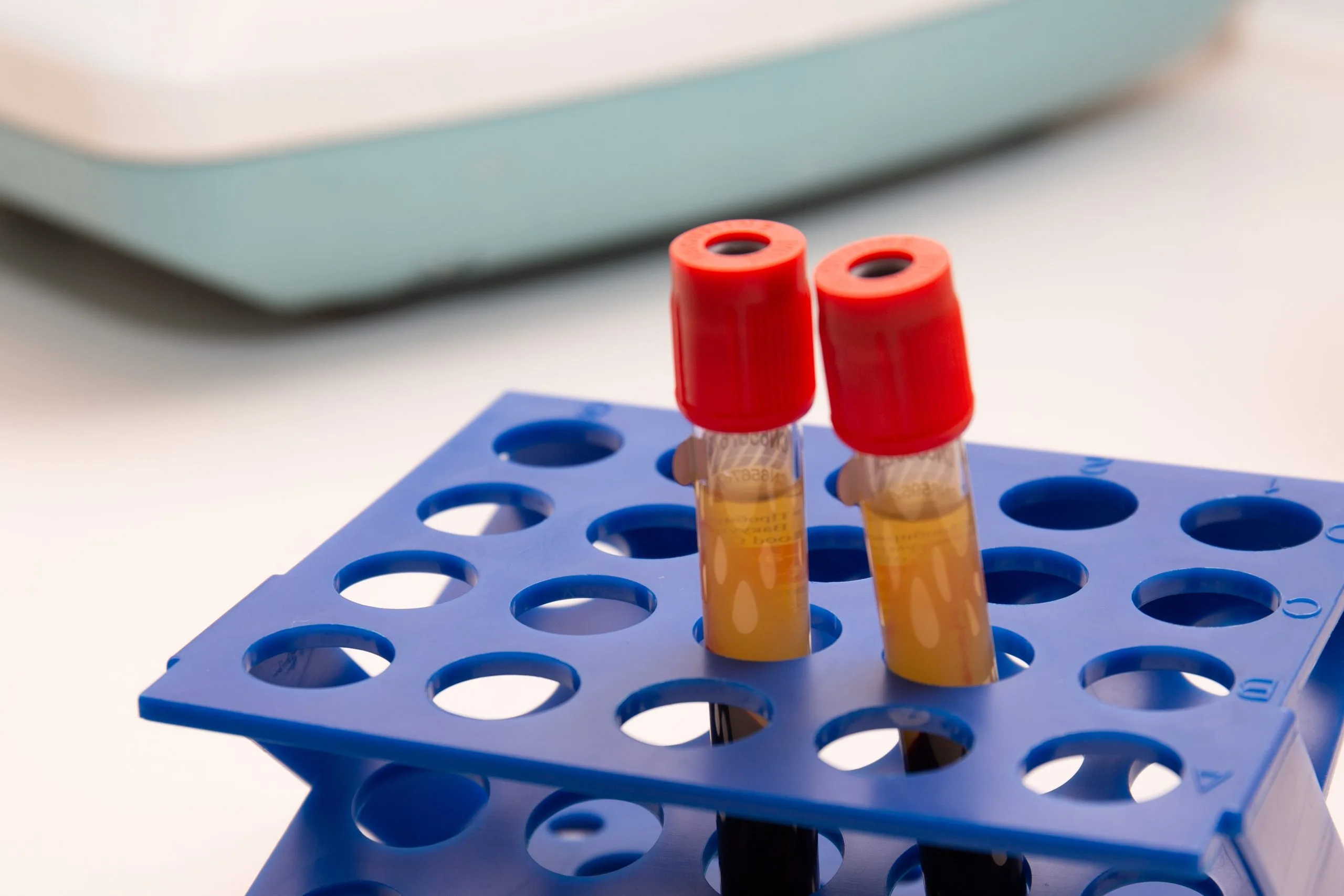
The main distinction between PRF and PRP is in how your blood is processed and how healing cells are released. PRP uses a faster spin rate and often adds an anticoagulant, resulting in a concentrated platelet-rich liquid that releases growth factors quickly. PRF uses a slower spin rate with no additives, creating a natural fibrin matrix that traps platelets, white blood cells, and stem cells and releases growth factors slowly over several days. This article breaks down how each one works so you can feel confident about your choice.
Both PRP and PRF are regenerative treatments derived from your own blood. They work by concentrating the platelets and growth factors from your blood and reintroducing them to targeted areas to stimulate cellular repair and regeneration.
PRP is a concentrate of platelets suspended in a small amount of plasma. When your blood is centrifuged, the platelets separate and are collected in a liquid that is injected into targeted areas or applied during microneedling. For years, it has been the gold standard in regenerative aesthetics for its ability to signal tissue repair, boost collagen, and improve blood supply – a proven method for fine lines, poor skin texture, and hair thinning.
PRF represents the next evolution in platelet concentrate therapy. Spun at a slower speed without additives, PRF retains platelets more dilute within a fibrin clot, plus white blood cells (leukocytes) and mesenchymal stem cells. These elements are held within a spongy, gel-like fibrin scaffold, creating a more robust and long-lasting regenerative solution used for skin texture, signs of aging, and hair restoration support.
Both treatments harness and concentrate the natural healing power in your blood, beginning with a simple blood draw and processing in a centrifuge. When platelets are placed where you want improvement, they release growth factors that signal your cells to:
Build new collagen and elastin for firmer skin
Form new blood vessels, improving circulation and giving skin a healthy glow
Repair damaged cells and regenerate healthy new tissue
Stimulate dormant hair follicles to encourage new growth
With PRP, that release happens quickly. With PRF, the fibrin scaffold delivers a slower, steadier release – one reason many providers see PRF as a longer-lasting option.
The difference between these treatments comes down to four main factors: processing, cell concentration, growth-factor release, and how natural the final product is.
PRP: Spun at a high speed, aggressively separating blood into three layers – red blood cells at the bottom, platelet-poor plasma at the top, and a thin “buffy coat” of PRP in the middle. An anticoagulant is often added to prevent clotting.
PRF: Spun at a much lower speed for a shorter time. No anticoagulant is needed, so platelets, white blood cells, and stem cells stay suspended, and the natural fibrinogen in your blood forms the fibrin matrix.
PRP: Contains a high concentration of platelets.
PRF: Has platelets more dilute within the fibrin clot, plus significant numbers of white blood cells and stem cells. White blood cells help regulate healing, while stem cells are master cells that can support the development of multiple cell types involved in tissue repair.
PRP: Growth factors release quickly, within the first day or so – an immediate but short-lived burst.
PRF: The fibrin matrix acts as a natural “net,” allowing a slow, continuous release of growth factors over 7–10 days. This sustained release provides longer, more profound stimulation of collagen production and tissue repair.
Spun at a lower speed without additives, PRF is a 100% natural product derived entirely from your own body. PRP can also be very natural, but the added anticoagulant is the key difference. Many patients who prefer a completely additive-free option tend to choose PRF.
At Advanced Wellness Aesthetics, these treatments address a wide range of concerns, from signs of aging to hair loss. The right choice depends on your goals.
Improved skin tone and texture
Reduction in fine lines and wrinkles
Stimulation of new collagen for firmer skin
Supports hair thickness in thinning areas
Delivers a quick surge of growth factors
Pairs well with microneedling for facial rejuvenation
Uses your own blood, so it is well tolerated
Releases growth factors slowly over several days for ongoing rejuvenation
Contains more stem cells and white blood cells
Made without additives – a fully natural option
Greater improvement in skin quality and elasticity
More significant volume restoration, especially for delicate under-eye hollows
Supports skin texture, aging concerns, and hair restoration
PRF is often seen as an upgrade thanks to its slow release and richer cell content. The fibrin scaffold acts like a time-release system, keeping your body engaged in healing for longer. This makes it especially powerful for complex concerns like deep-set wrinkles or significant volume loss under the eyes, and for patients who want the most natural product possible.
These therapies are applied across several concerns:
Facial Rejuvenation: Injected or applied after microneedling to reduce fine lines, improve texture, and restore a youthful glow
Under-Eye Treatment: PRF is particularly effective for dark circles and hollowness in the tear troughs, adding natural-looking volume
Hair Restoration: Injected into the scalp to awaken dormant follicles, increase thickness, and slow hair loss
Acne Scarring: Builds new collagen beneath scars to smooth the skin’s surface
Skin Texture and Tone: Smoothing rough or uneven skin
Because PRF holds more cells and releases them slowly, many providers favor it for delicate areas and hair support. PRP remains a trusted choice for microneedling and overall skin renewal.
The clearest way to decide is with a professional consultation. At Advanced Wellness Aesthetics in Marlboro, our team will review your goals and recommend the right path, which may involve PRP, PRF, or a combination with other services like radiofrequency or laser treatments.
Consultations are free, and you can call (732) 813-4848 or text us to schedule. Explore our full range of regenerative aesthetics services.
When it comes to PRF vs. PRP, the key differences are processing, cell content, and growth-factor release. PRP is a trusted, effective standard that delivers growth factors quickly, while PRF represents the next generation – an additive-free option that releases growth factors gradually and includes more healing cells. Both use your body’s biology to support the natural rejuvenation of the skin, hair, and under-eye areas.

Advanced Wellness Aesthetics
July 1, 2026

Tiffany Matragas