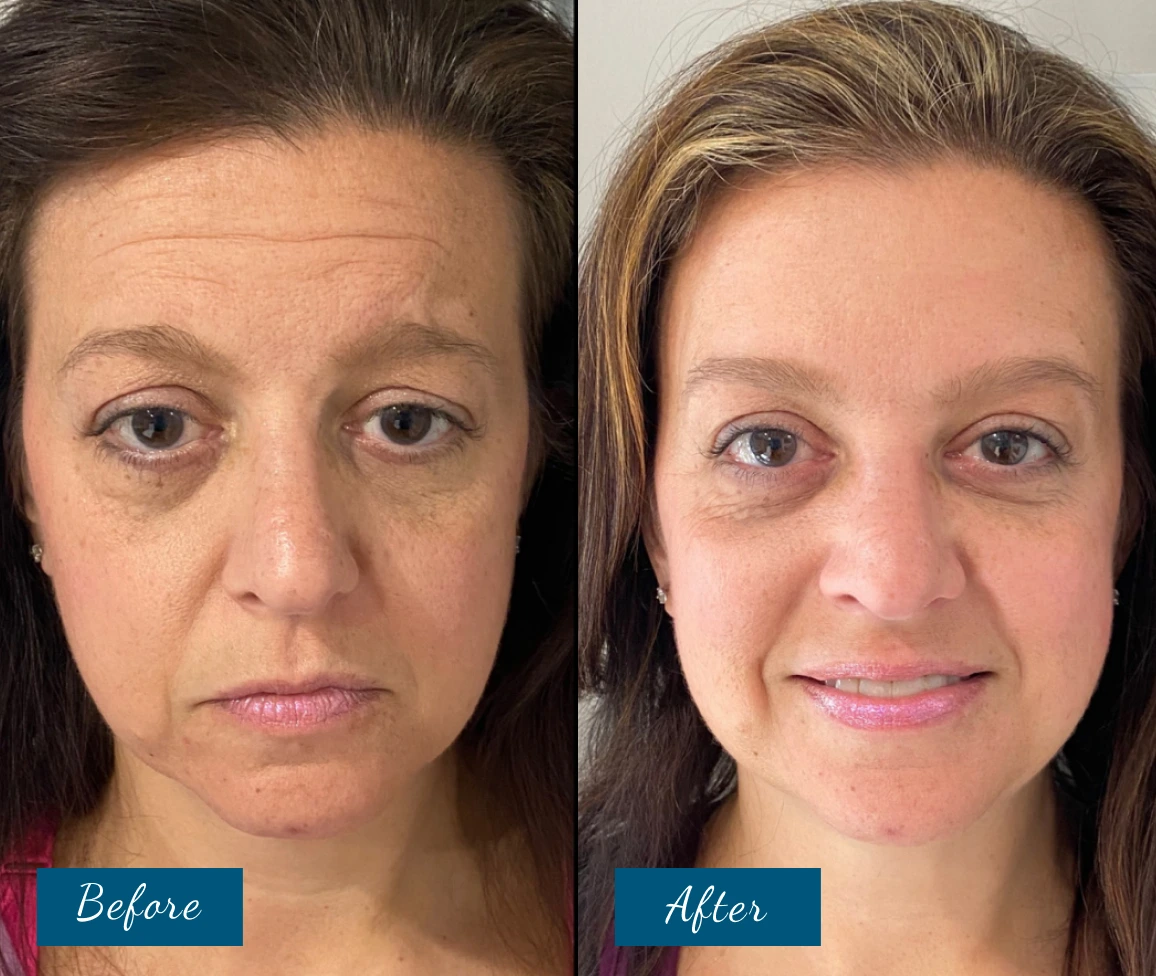
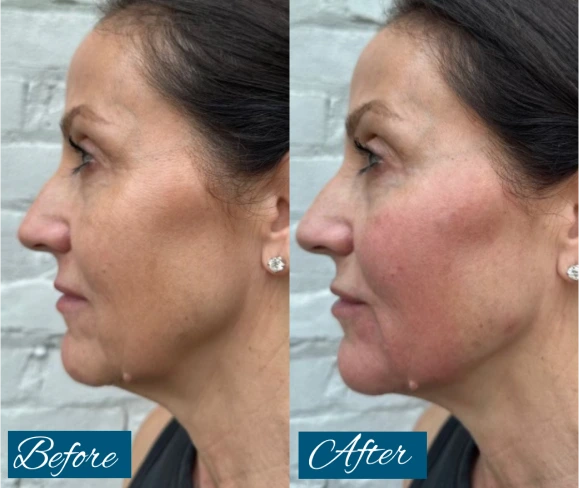
When choosing between Botox, Dysport, and Xeomin for cosmetic treatments, most people will find that all three neurotoxins deliver excellent results for smoothing wrinkles and fine lines. The “right” choice often comes down to your specific treatment goals, how your body responds to each formulation, your budget, and your provider’s expertise with each product. While Botox remains the most well-known and widely studied option, Dysport may work faster and spread more easily for larger treatment areas, and Xeomin offers a pure formulation without accessory proteins. The best approach is consulting with an experienced injector who can assess your unique facial anatomy and recommend the neurotoxin most likely to achieve your desired outcome.
The field of aesthetic medicine has been revolutionized by botulinum toxin type A, a purified protein that temporarily relaxes muscles that create wrinkles. These injectable treatments have become the most popular non-surgical cosmetic procedures worldwide, with millions of treatments performed annually. The three leading brands – Botox, Dysport, and Xeomin – all work through the same basic mechanism: blocking nerve signals to targeted muscles, which reduces their ability to contract and form lines.
What makes these treatments so appealing is their ability to deliver noticeable results without surgery, minimal downtime, and a well-established safety profile when administered by qualified professionals. Whether you’re looking to soften crow’s feet, smooth forehead lines, or address other dynamic wrinkles, understanding the nuances between these three options helps you make an informed decision about your treatment.
While all three neurotoxins share the same active ingredient – botulinum toxin type A – their formulations differ in important ways:
Protein Structure and Purity
Botox and Dysport contain complexing proteins alongside the active neurotoxin
Xeomin is a “naked” neurotoxin, containing only botulinum toxin type A without accessory proteins
This difference may affect how your body responds to repeated treatments over time
Molecular Weight and Spread: Molecular size varies across products, which influences their diffusion after injection. Dysport has smaller molecules that tend to spread more widely, making it potentially advantageous for treating larger areas, such as the forehead. Botox has a moderate spread, offering precise control for targeted areas. Xeomin’s spread pattern is similar to Botox, providing predictable results in specific treatment zones.
Onset and Duration: Dysport typically shows results within 2-3 days, slightly faster than Botox and Xeomin, which usually take 3-7 days to become noticeable. However, all three products deliver results that last approximately 3-4 months, though individual experiences vary based on metabolism, muscle strength, and dosage.
Each neurotoxin has received FDA approval for specific cosmetic and medical indications.
Botox was the first to receive FDA approval for cosmetic use in 2002 and has the most extensive list of approved indications. It’s cleared for treating frown lines, crow’s feet, and forehead lines, as well as various medical conditions, including chronic migraines and excessive sweating.
Dysport gained FDA approval for cosmetic use in 2009, specifically for treating glabellar lines (the vertical lines between your eyebrows that appear when you frown). While its FDA cosmetic approval is narrower than Botox, practitioners commonly use it off-label for other facial areas based on clinical experience and research.
Xeomin received FDA approval in 2011 for treating glabellar lines and has since expanded its approved uses. Its pure formulation makes it an attractive option for patients concerned about developing antibodies to complex proteins, though this is relatively rare with any of the products.
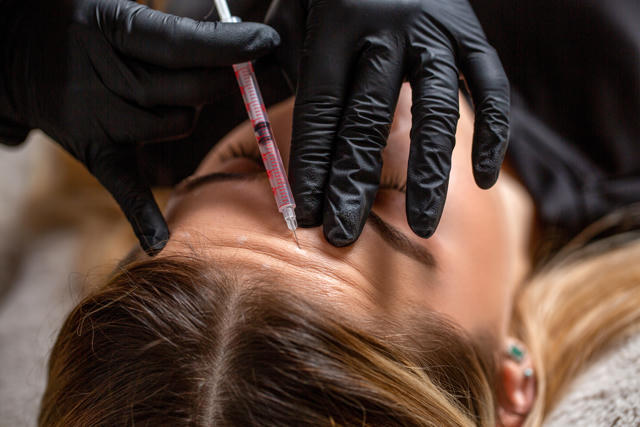
The injection process is remarkably similar across all three products. Your provider will use a very fine needle to inject small amounts of the neurotoxin into specific facial muscles. The procedure typically takes 10-20 minutes, and most people describe the sensation as a minor pinch or mosquito bite.
One crucial difference lies in unit conversion. Dysport requires approximately 2.5-3 units to equal one unit of Botox or Xeomin. This means that while you might receive 20 units of Botox for forehead lines, you could need 50-60 units of Dysport for the same area. Don’t let higher unit numbers alarm you – this doesn’t mean you’re getting more product, just that the products are measured differently.
Your injector’s skill and experience matter more than which brand they use. A talented provider understands facial anatomy, proper injection techniques, and how each product behaves in different areas of the face.
Pricing varies significantly depending on your geographic location, provider skills, and practice overhead. Generally, when accounting for unit conversion, the cost per treatment area remains comparable across all three options. Botox often commands a slight premium due to brand recognition, while Dysport and Xeomin may be priced more competitively.
Many practices price treatments by the area rather than by the unit, which simplifies comparison shopping. Expect to pay between $300 and $600 per treatment area, though prices in major metropolitan areas may be higher. Remember that choosing a provider based solely on the lowest price can be risky – expertise and proper technique are worth paying for when it comes to injectable treatments.
All three neurotoxins share similar safety profiles with decades of clinical use supporting their effectiveness. Common side effects include:
Temporary bruising or swelling at injection sites
Mild headache following treatment
Temporary drooping of the eyelid or eyebrow (rare with experienced injectors)
Flu-like symptoms in some patients
Serious complications are extremely rare when treatments are performed by qualified medical professionals. The most important factor in minimizing risks is choosing a licensed, experienced injector who understands facial anatomy and proper injection techniques.
Some patients theoretically may develop antibodies to the complexing proteins in Botox or Dysport, potentially reducing effectiveness over time. Xeomin’s pure formulation may lower this risk, though antibody formation remains uncommon with any product.
The honest answer is that for most people, all three options will deliver satisfying results. Your decision should be guided by several factors:
Consider Botox if you value extensive clinical research, the longest track record of safety and efficacy, and widespread provider familiarity. It remains the gold standard against which other neurotoxins are measured.
Dysport may be your best choice if you’re treating larger areas where some diffusion is beneficial, you want slightly faster results, or your provider has extensive experience with this product and offers competitive pricing.
Xeomin could be ideal if you prefer a pure formulation without accessory proteins, have concerns about developing resistance to other neurotoxins, or your provider recommends it based on your treatment history.
Ultimately, the provider’s expertise with their preferred product matters more than the brand name on the vial. A skilled injector who regularly uses one neurotoxin will likely achieve better results than someone who occasionally uses all three. Trust your consultation, ask questions about your provider’s experience, and don’t hesitate to request before-and-after photos of their actual patients.
The Botox vs Dysport vs Xeomin debate ultimately highlights that while these three neurotoxins share the same fundamental purpose – smoothing fine lines and wrinkles to create a more youthful appearance – they do have distinct differences worth considering. Whether you’re addressing severe frown lines, severe glabellar lines, or other concerns, these popular non-surgical treatments offer effective solutions without surgical intervention. The right neurotoxin treatment for you depends on your individual response, treatment goals, and provider expertise, though all three options are designed to reduce wrinkles while preserving natural facial expressions. Before beginning any neurotoxin treatment, discuss your complete medical history with your provider to minimize the risk of an allergic reaction, and remember that injectables work best when combined with a consistent skincare routine and sun protection. With the guidance of a qualified professional, you can confidently choose the neurotoxin that will help you achieve your aesthetic goals safely and effectively.